

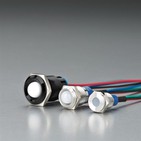


Switches are essential components in machines, control panels, vehicles, and electronic devices. Yet many people still ask a basic question: what are the four types of switches, and how do they differ in real-world use?
Understanding the main switch types helps you design safer systems, operate equipment more efficiently, and choose the right control method for each application. This guide explains the four most common types in a clear, practical way-starting with the one most widely used in industrial environments.
The Four Main Types of Switches
Most switches fall into four core categories based on how they operate and how users interact with them.
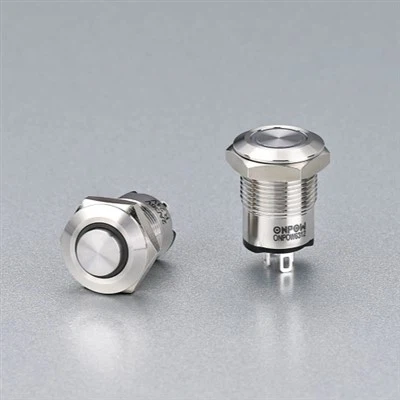
1. Push Button Switch
A push button switch is activated by pressing a button to open or close an electrical circuit. It is widely used in industrial control panels, automation systems, elevators, and machinery.
Key features of a push button switch:
Simple and intuitive operation
Available in momentary or maintained versions
Supports normally open (NO) and normally closed (NC) contacts
Optional LED illumination for status indication
Because of its fast response and clear feedback, the push button switch is often used for start/stop functions, control commands, and emergency stop systems.
High-quality push button switches-such as those designed by ONPOW-are built to withstand frequent operation, vibration, and harsh environments, making them suitable for long-term industrial use
2. Toggle Switch
A toggle switch uses a lever that moves between positions to control the circuit. Once switched, it remains in that position until changed again.
Common uses:
Power control
Equipment testing
Electrical panels
Toggle switches provide a clear physical indication of the circuit state, which is especially useful when visual confirmation is important.
3. Rocker Switch
A rocker switch operates by rocking back and forth and is often marked with standard on/off symbols.
Typical applications:
Electrical appliances
Power strips
Light-duty equipment
Rocker switches are easy to recognize and operate, making them suitable for both industrial and everyday electrical devices.
4. Rotary Switch
A rotary switch is turned rather than pressed or flipped. It allows users to select one option from multiple circuit positions.
Where rotary switches are commonly used:
Mode or function selection
Speed or range control
Measurement and testing equipment
When more than two operating states are required, rotary switches offer precise and reliable control.
How to Choose the Right Switch Type
When thinking about what are the four types of switches and which one fits your application, consider:
How often the switch will be used
Whether instant response is required
The operating environment (dust, water, vibration)
The need for visual or tactile feedback
For example:
Machine control and emergency functions → push button switch
Simple power on/off → toggle or rocker switch
Multi-function selection → rotary switch
Why Push Button Switches Are Widely Used
Among the four types, the push button switch is especially popular in automation and industrial systems. It combines ease of use, quick operation, and design flexibility.
Modern push button switches are available with:
Metal or plastic housings
High IP ratings
Long mechanical and electrical life
Reliable designs-like ONPOW push button switches-focus on safety, durability, and consistent performance without adding unnecessary complexity.
Conclusion
So, what are the four types of switches? They are:
Push button switches
Toggle switches
Rocker switches
Rotary switches
Each type serves a different function, and understanding their differences helps ensure safer operation and more efficient system design. In many control applications, a well-designed push button switch remains one of the most dependable and user-friendly solutions available.

Trusted Push Button Manufacturer with 35+ Years of Manufacturing Experience, ISO9001, CE, UL, RoHS, IEC & REACH Certified