


When it comes to industrial safety, choosing the right switch emergency stop device is not optional-it's critical. Whether you're designing machinery, upgrading equipment, or sourcing components, understanding what type of switch is used for emergency stop applications can help you avoid costly mistakes and ensure compliance with safety standards.
Let's get straight to what you actually need to know.
The Short Answer: What Switch Is Used for Emergency Stop?
The most commonly used switch emergency stop is the:
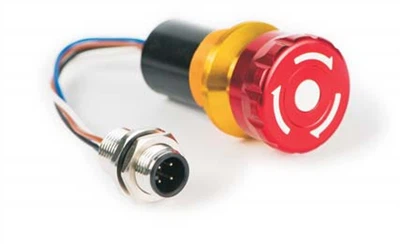
Mushroom Head Push Button Switch (Emergency Stop Switch)
This type of switch is specifically designed for emergency situations. It features a large, easy-to-hit actuator (usually red with a yellow background), allowing operators to stop machinery instantly.
Key Features of an Emergency Stop Switch
Not all push buttons are suitable. A proper switch emergency stop must include:
1. Mushroom Head Design
Large surface area for quick access
Easy to operate even under stress or with gloves
2. Latching Mechanism (Push-Lock)
Once pressed, it stays in the OFF position
Prevents accidental restart
Requires manual reset (twist or pull)
3. Normally Closed (NC) Contacts
Circuit is closed during normal operation
Pressing the button opens the circuit and cuts power immediately
4. High Visibility Colors
Red actuator + yellow background (industry standard)
Ensures quick identification in emergencies
5. Compliance with Safety Standards
Look for switches that meet:
IEC 60947-5-5
ISO 13850
These standards ensure the switch emergency stop performs reliably when it matters most.
Why This Type of Switch Is Used
From a buyer's perspective, the mushroom emergency stop switch is preferred because it:
Reduces reaction time in critical situations
Prevents accidental resets
Works reliably in harsh environments
Meets global safety requirements
In short, it's designed for one job: stopping equipment immediately and safely.
Common Applications
You'll typically find switch emergency stop devices in:
Industrial machinery
Automation systems
CNC machines
Packaging equipment
Elevators and lifts
Power control panels
If there's moving equipment or potential risk, an emergency stop switch is required.
How to Choose the Right Emergency Stop Switch
If you're sourcing or specifying a switch emergency stop, here's what actually matters:
Mounting Size
Common sizes: 16mm, 19mm, 22mm
Match your panel cutout
Protection Level
IP65 or higher for dust and water resistance
Essential for outdoor or industrial environments
Contact Configuration
Minimum: 1NC
For higher safety: 2NC or more
Reset Method
Twist-to-release (most common)
Pull-to-release (used in specific applications)
Electrical Rating
Ensure compatibility with your system voltage and current
Common Mistakes Buyers Make
Avoid these pitfalls when selecting a switch emergency stop:
Using a standard push button instead of a certified emergency stop
Ignoring safety certifications
Choosing the wrong IP rating for the environment
Not considering operator accessibility
These mistakes can lead to safety risks and compliance issues.
A Practical Recommendation
If you're looking for a reliable and customizable switch emergency stop, brands like ONPOW offer a wide range of industrial-grade solutions. Their switches are designed with:
Durable metal or plastic housings
High protection ratings (IP67 available)
Multiple mounting sizes and contact options
Long mechanical life
They're a solid option for buyers who need dependable performance without overcomplicating the selection process.

Final Thoughts
So, what type of switch is typically used for emergency stop applications?
A mushroom head latching push button, specifically designed as a switch emergency stop, is the industry standard.
If you focus on safety compliance, proper specifications, and real-world usability, you'll end up with a solution that not only meets regulations-but actually protects people and equipment.