


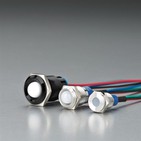


A latching push button switch is one of the most widely used components in industrial equipment, control panels, smart devices, automotive systems, and DIY electronics projects. Unlike a momentary switch that only works while being pressed, a latching switch stays in its current state until it is pressed again.
If you are choosing, wiring, or troubleshooting a switch, understanding how a latching switch works can save time, reduce wiring mistakes, and help you select the right model for your application.
In this guide, you will learn:
What a latching push button switch is
How it works
Where it is commonly used
How to wire and use it safely
How to choose the right switch for your project
What Is a Latching Switch?
A latching switch is a switch that maintains its ON or OFF state after being pressed.
For example:
Press once → the circuit turns ON
Press again → the circuit turns OFF
This "push-on push-off" function makes the switch convenient for equipment that should remain active without continuous pressure.
A latching push button switch is commonly used for:
Power control
Machine start/stop functions
Automotive accessories
Industrial control systems
LED control panels
Consumer electronics
Because the switch keeps its position, users can instantly see whether a device is active or inactive.
How Does a Latching Push Button Switch Work?
Inside the switch is a small mechanical locking mechanism.
When the button is pressed:
The internal contacts change state
The mechanism locks into position
The electrical circuit remains connected
Pressing the button again releases the lock and returns the contacts to their original state.
This simple mechanism is why latching push button switches are reliable and easy to use in both industrial and commercial applications.
Latching Switch vs. Momentary Switch
Many buyers confuse latching and momentary switches. The difference is simple but important.
| Switch Type | How It Works | Common Applications |
|---|---|---|
| Latching Push Button Switch | Stays ON or OFF after pressing | Power switches, machine controls |
| Momentary Push Button Switch | Only works while pressed | Doorbells, reset buttons, keyboards |
If your device needs to stay powered after releasing the button, you need a latching switch.
Common Applications of Latching Push Button Switches
Industrial Control Panels
Factories and automation systems often use metal latching push button switches to control machinery and equipment safely.
Typical uses include:
Motor control
Start/stop stations
Conveyor systems
CNC machines
Automotive Systems
A 12V latching push button switch is commonly installed in vehicles for:
Auxiliary lighting
Ignition systems
Horn controls
Custom dashboard panels
Waterproof models are especially popular in off-road and marine environments.
Smart Home and DIY Electronics
DIY makers and electronics enthusiasts use compact latching switches in:
Arduino projects
Raspberry Pi systems
Smart lighting
Audio equipment
The simple ON/OFF function makes installation straightforward for beginners.
How to Wire a Latching Push Button Switch
Wiring depends on the switch type and the application, but the basic process is usually simple.
Basic Wiring Steps
Disconnect the power source
Identify the terminal configuration
Connect the input power wire
Connect the output/load wire
Secure all terminals properly
Test the switch before final installation
Many LED latching push button switches also include extra terminals for illumination.
Always check:
Voltage rating
Current rating
NO/NC terminal type
Wiring diagram from the manufacturer
If you are unsure, consult a qualified electrician before installation.
Choosing the Right Latching Push Button Switch
Not all switches are the same. Choosing the correct model improves safety, durability, and performance.
1. Material
Plastic switches → lightweight and economical
Metal push button switches → durable and ideal for industrial environments
Stainless steel switches are especially resistant to corrosion and wear.
2. Waterproof Rating
For outdoor or harsh environments, look for waterproof protection such as:
IP65
IP67
A waterproof latching push button switch prevents dust and moisture damage.
3. Voltage and Current Rating
Always match the switch rating with your equipment requirements.
Common options include:
12V
24V
110V
220V
Using an underrated switch may cause overheating or premature failure.
4. Mounting Size
Popular mounting hole sizes include:
12mm
16mm
19mm
22mm
25mm
Measure your panel carefully before ordering.
5. LED Illumination
An illuminated latching push button switch improves visibility in dark environments and provides clear status indication.
Popular LED colors include:
Red
Green
Blue
White
Yellow
Common Problems and Troubleshooting
The Switch Does Not Stay ON
Possible causes:
You purchased a momentary switch instead of a latching switch
Internal locking mechanism damage
Incorrect wiring
LED Light Does Not Work
Check:
LED polarity
Voltage compatibility
Terminal wiring
Switch Feels Loose or Stiff
This may indicate:
Mechanical wear
Poor-quality materials
Environmental contamination
High-quality switches generally offer a longer operating life and smoother tactile feedback.
Why Many Buyers Prefer Metal Latching Push Button Switches
Compared with standard plastic models, metal latching push button switches offer several advantages:
Longer service life
Better durability
Improved resistance to vibration
Modern appearance
Higher reliability in industrial environments
For applications exposed to dust, moisture, or heavy usage, metal switches are usually the better long-term investment.
ONPOW Latching Push Button Switch Solutions
For buyers looking for reliable industrial-grade switches, ONPOW latching push button switches are designed for demanding applications including automation equipment, control panels, and electrical systems.
Many ONPOW models feature:
Stainless steel housing
Waterproof IP67 protection
LED illumination options
Multiple mounting sizes
Long mechanical lifespan
Stable switching performance
These features make them suitable for both OEM equipment manufacturers and custom project builders who require dependable switching solutions.
Final Thoughts
A latching push button switch is a simple but essential component used across countless industries and electronic systems. Understanding how it works helps you choose the correct switch, wire it properly, and improve the reliability of your equipment.
Whether you need a compact switch for a DIY project or a rugged industrial solution for heavy-duty machinery, selecting the right latching switch ensures safer operation and better long-term performance.
Before purchasing, always consider:
Voltage requirements
Waterproof protection
Mounting size
Material quality
LED functionality
Application environment
With the right choice, a quality latching push button switch can deliver years of reliable service.